
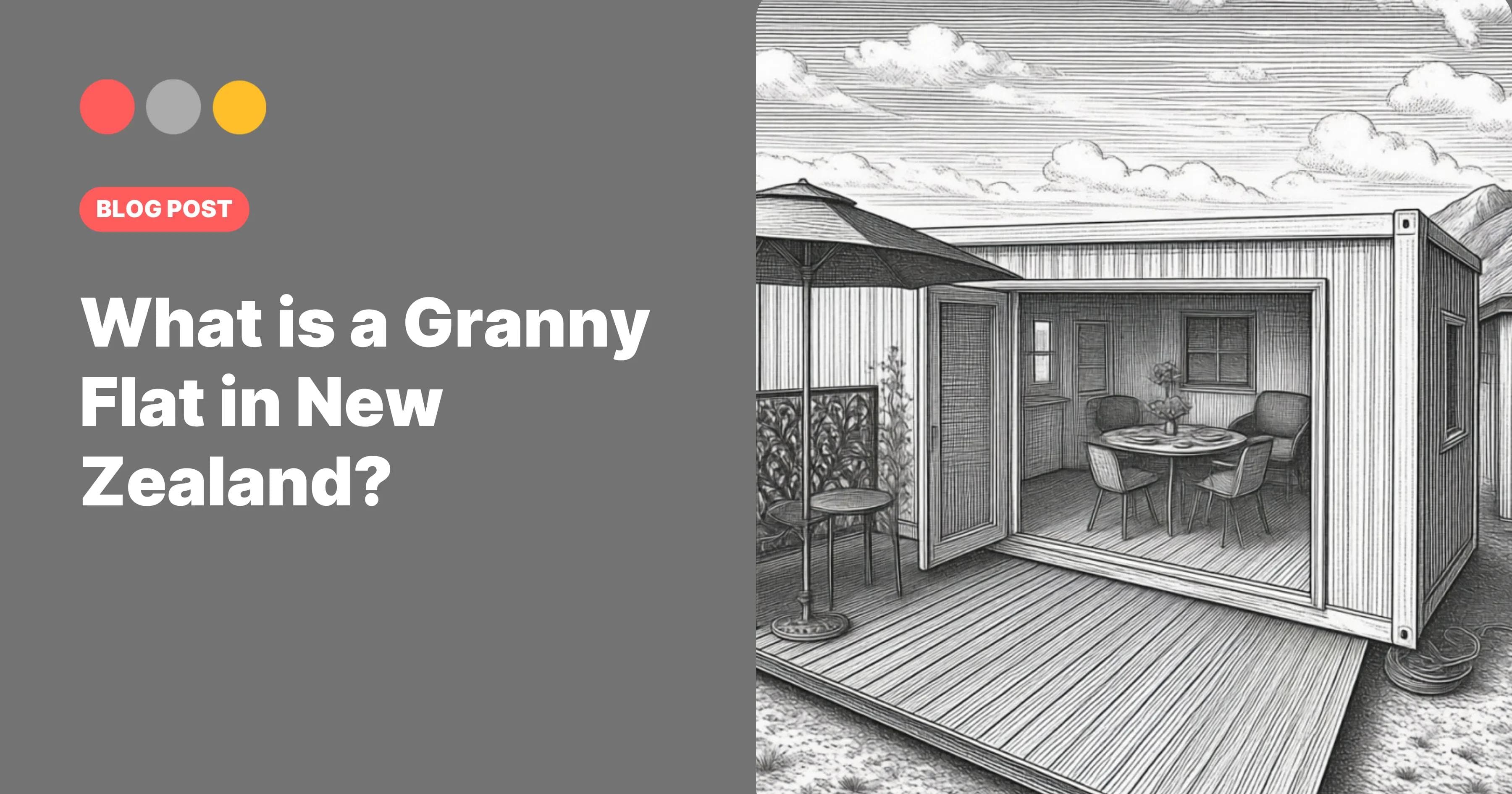
If you have heard the term before but are not completely sure what it means, a granny flat is a small secondary dwelling built on the same property as a main house. It is designed to function as a separate living space, usually with its own sleeping area, bathroom, kitchen or kitchenette, and entrance.
The name originally came from the idea of housing an older parent or grandparent close to family, but that is no longer the only use. In New Zealand today, granny flats are used for all sorts of practical reasons, from multigenerational living to guest accommodation, home offices, and rental income.
What makes a granny flat different from the main house?
The key difference is that a granny flat is intended to work as an independent living space. It sits on the same property as the main dwelling, but it gives the person living there a level of privacy and separation that a spare bedroom or simple sleepout does not.
That independence is exactly why granny flats have become so popular. They let households stay close without forcing everyone into the same space.
Common types of granny flats
In practice, granny flats usually fall into a few common formats:
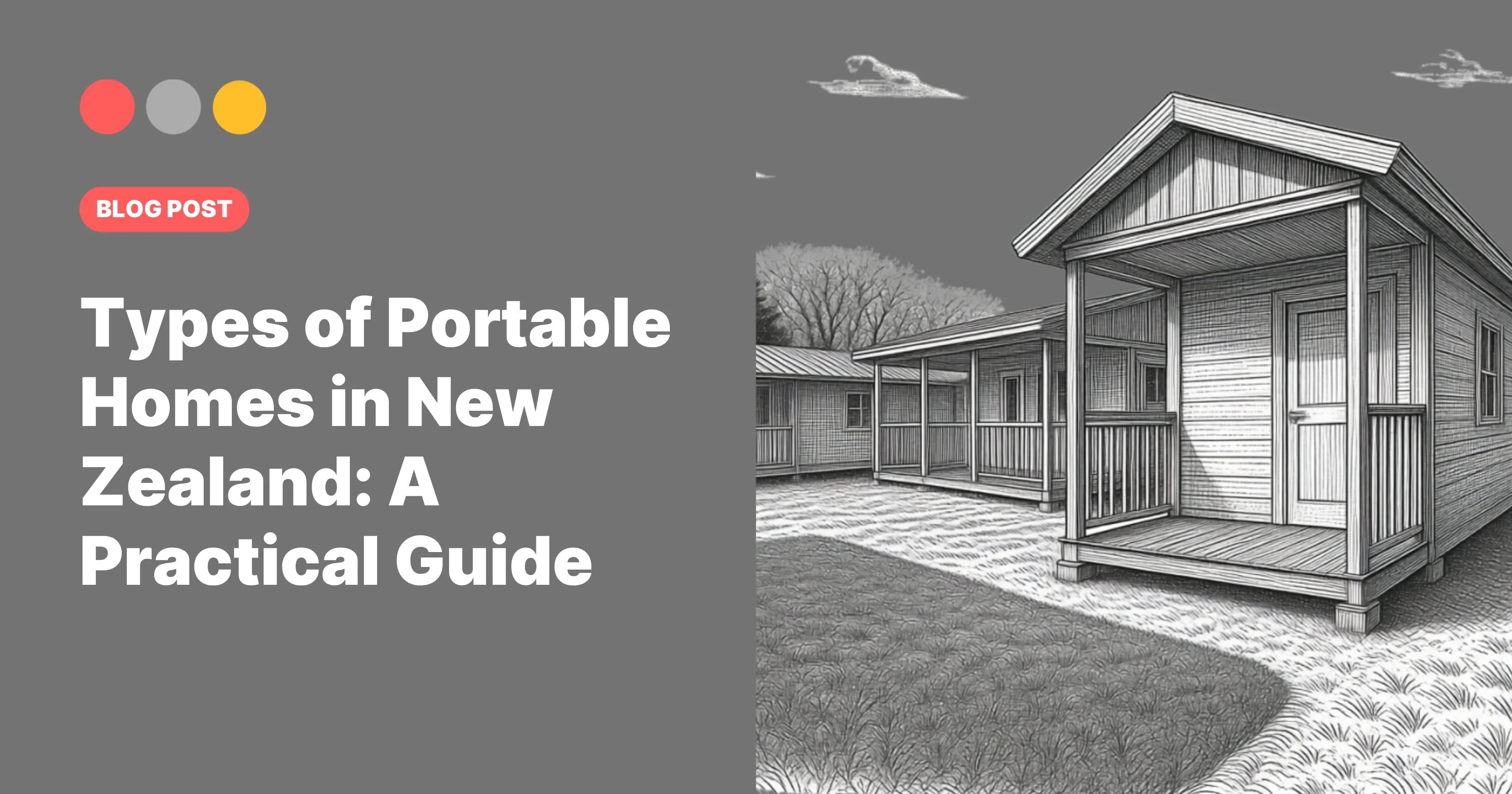
- Standalone granny flats. These are separate buildings placed on the same section as the main house. In New Zealand, many buyers think of these first, especially when looking at transportable or prefab options.
- Attached granny flats. These are connected to the main home but designed to function with their own living area and some level of separation.
- Converted spaces. In some cases, existing garages or other parts of a home are converted into self-contained accommodation, depending on what the property allows and what approvals are needed.
The right option depends on your section, your budget, and how much privacy the future occupant needs.
Why people build granny flats
Granny flats solve several problems at once, which is why they appeal to so many homeowners.
Family living. One of the biggest reasons is to create space for parents, grandparents, adult children, or other relatives while keeping everyone close.
Guest accommodation. A granny flat can give visitors a comfortable private space without disrupting the main house.
Rental income. Some owners see a granny flat as a way to generate extra income, depending on local rules and how the dwelling is set up.
Flexible extra space. A granny flat can also become a home office, studio, retreat, or future accommodation for changing family needs.
Better use of the section. For many homeowners, the real value is making more practical use of land they already own.
At Portable Building Specialists, this is often where interest becomes serious. Many people begin with a broad idea of needing "extra space", then realise a granny flat could be the most useful long-term solution for their property.
What to think about before adding one
Before building a granny flat, it helps to step back and think about the bigger picture.
Start with the purpose. Is it for a parent, an adult child, guests, rental use, or a workspace? That decision affects the size, layout, level of privacy, and services the dwelling needs.
Then consider the section itself. Is there enough room? Is access straightforward? Can utilities be connected easily? Does the site allow the type of building you have in mind?
Budget matters as well. The cost is not only about the dwelling. Site preparation, delivery, foundations, drainage, utility connections, and any council-related requirements can all affect the total.
Privacy and daily use also matter more than people first think. A granny flat may be compact, but it still needs to feel comfortable. Entry access, outlook, natural light, storage, and separation from the main house can all make a big difference to how well it works in practice.
Granny flats in New Zealand today
Granny flats are becoming more relevant in New Zealand because households are looking for more flexible ways to live. Rising housing costs, multigenerational living, and changing work patterns have all made secondary dwellings more appealing.
That does not mean every granny-flat project is simple. The rules can still matter a great deal, especially around building consent, planning, site requirements, and services. For example, since 2026 some small standalone dwellings may qualify for a building consent exemption under certain conditions, but that does not mean every granny flat is automatically exempt.
So while the concept is straightforward, the practical details still need care.
What a good granny flat usually includes
A well-designed granny flat is not just small. It is usable.
That usually means:
- A clear and efficient layout.
- Good natural light.
- Enough storage for day-to-day living.
- A comfortable bathroom and kitchen setup.
- Practical heating, insulation, and ventilation.
- A sense of privacy from the main dwelling.
Modern granny flats are often designed to feel open, simple, and easy to live in, rather than cramped. That is especially important if someone will be using the space full time.
If you want to see what real granny-flat and portable-building layouts can look like, browsing actual models is often far more helpful than reading general definitions. You can view our range at /cabins to compare sizes, formats, and likely use cases.
Final thoughts
In simple terms, a granny flat is a compact secondary home on the same property as a main house. It gives someone a private, practical place to live while staying close to the main household.
For some families, that means keeping parents nearby. For others, it means giving adult children more independence, creating guest accommodation, or making smarter use of an existing section.
If you are thinking about whether a granny flat could work on your property, Portable Building Specialists can help you compare practical options, layouts, and next-step considerations. Browse our portable buildings and cabins at /cabins or contact our team at /contact.