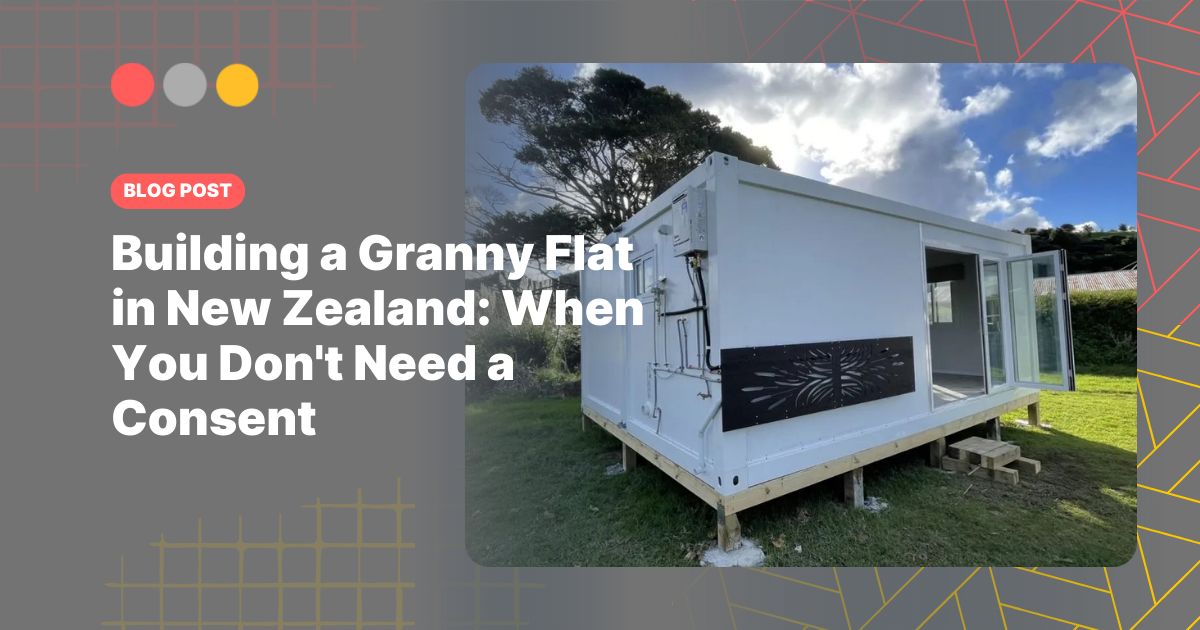
Interest in portable homes has grown steadily. More people want housing that doesn't take years to build or stretch budgets too far. They need practical options that fit how they live.
Traditional building follows a familiar pattern. You buy land, find a builder, order materials, and then wait. Delays, cost increases, and weather interruptions are all part of the process. It nearly always takes longer than expected.
Portable homes offer an alternative. They are no longer a niche product. For many people, they are a practical way to get quality housing without the uncertainty of conventional construction. Options range from small units to full-sized family homes.
This guide explains what portable houses are, why people choose them, and outlines the main types – from modular homes to tiny houses on wheels.
What Are Portable Homes?
Portable homes are residential buildings manufactured off-site and then moved to the property where they will be used.
The process works like this. Instead of constructing the house on your land from the ground up, it gets built in a factory. Walls, roof, windows, internal fit-out – all done indoors. Once finished, the house is transported to your site and placed on foundations.
You'll come across different terms for these homes. Transportable homes. Movable homes. Relocatable houses. In New Zealand, "transportable" is the most common. These terms are used interchangeably, but they all point to the same basic concept – the structure was built elsewhere and delivered to you.
One point needs clarification. The word "portable" might suggest something temporary or lightweight. That's not accurate. Portable houses are permanent structures. They are built to meet the same building codes and standards as site-built homes. They use the same materials and must pass the same inspections. The only difference is the location of the construction process.
So when we talk about portable homes, we mean real houses. They just happen to be built in a factory instead of on your section.
Benefits of Portable Homes
Before diving into the different types, it's worth understanding why so many people are making the switch to portable houses. The reasons go beyond just wanting something different – there are real practical benefits that make sense for a lot of situations.
Speed. Factory construction happens while site work gets done at the same time. So what takes a year with traditional building can take just a few months.
Cost certainty. Fixed prices from the start mean no surprises halfway through. No weather delays, no material price jumps, no unexpected problems with the ground. You know what you're paying.
Quality control. Building indoors means materials stay dry and workers aren't fighting the weather. Factories run on systems, so everything gets measured and checked properly. The end result is consistent.
Flexibility. Certain types of portable homes can be relocated again later if needed. Good to know if you might want to move somewhere else down the track.
Less site disruption. The messy noisy work happens somewhere else. Your property stays clean and quiet. The house just shows up one day and gets placed.
These benefits are why portable homes have moved from a niche option to something mainstream. For a lot of people, the traditional way just doesn't stack up anymore when you can get a quality home faster, cheaper, and with less hassle.
Types of Portable Homes
Portable homes come in several distinct types. In fact, when you look at the full range of types of movable houses, you'll find everything from factory-built modular homes to second-hand villas relocated to new sites. Each one suits different situations, budgets, and requirements. Here is a breakdown of the main options available.
Modular Homes
These are constructed in sections at a factory. Each module arrives with walls, floors, and roofing already complete. They are transported to the site and joined together on foundations. Once assembled, they are permanent structures that must meet the same building codes as conventionally built houses. In some ways, they are stronger because they need to withstand transportation.
Unlike modular homes, these are built entirely in a factory and delivered as a single complete unit. The whole house arrives on a truck, is placed on foundations, and connected to services. This is typically the fastest option. Because these houses are designed to be moved, they can potentially be relocated again in the future if required.
These arrive as a collection of pre-cut materials delivered to the site. Walls, framing, and other components are packed flat and ready for assembly. The buyer either builds the home themselves or hires contractors to do it. This option has the lowest upfront cost since the buyer pays only for materials and provides the labour. It requires time and either construction skills or the ability to manage tradespeople.
Relocatable Homes
These are existing houses that get moved from their original location to a new site. They are typically older properties such as villas or bungalows that would otherwise face demolition. This is a budget-friendly way to obtain a home with character not found in new builds. Relocatable houses may need renovation work depending on their age and condition.
These are built on a trailer chassis with wheels, making them genuinely portable. They can be towed by a vehicle and moved whenever the owner wishes. Because they have wheels, the law often classifies them as vehicles rather than houses. This affects financing options and where they can be located. Some areas restrict full-time living in tiny homes on wheels.
These are the main types of portable houses available. Each option has different characteristics, costs, and practical considerations. The right choice depends on factors such as budget, desired move-in timeline, whether future relocation might be needed, and how much involvement the buyer wants in the construction process.
Conclusion
So those are the main types. Modular homes built in sections. Prefab homes delivered complete. Kitset homes you assemble yourself. Relocatable homes moved from somewhere else. And tiny houses on wheels you can tow away.
Each works differently. Modular and prefab are the fastest. Kitset saves money upfront but takes work. Relocatable gives you character for less, though may need fixing. Tiny houses offer freedom to move but come with legal hurdles.
When choosing, think about your budget, timeline, land access, and how much you want to be involved. Talk to local builders about what works in your area.
Portable homes aren't a compromise anymore. For many people, they just make more sense – faster, often cheaper, and more flexible than the traditional route.