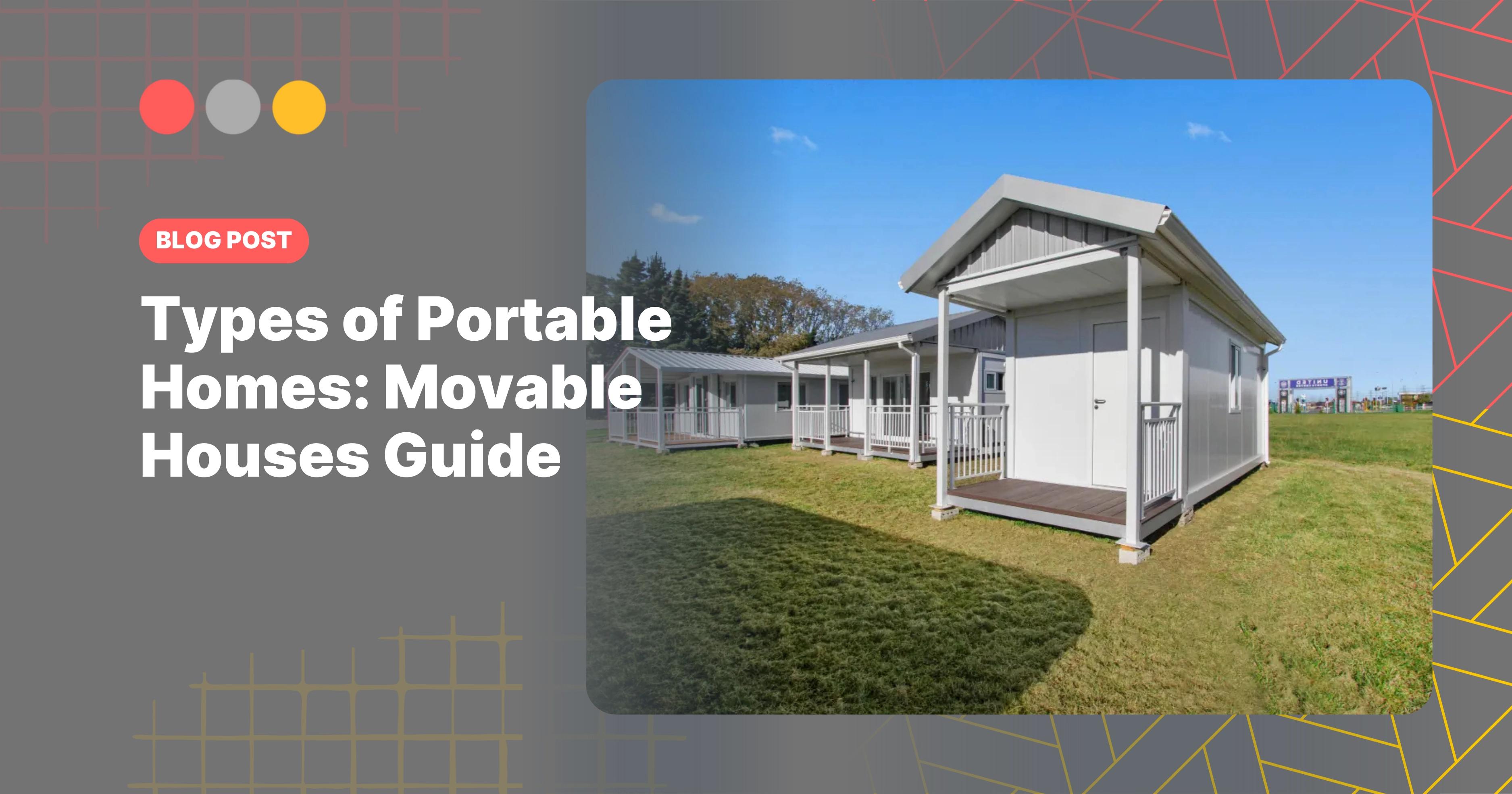
For many people, owning a home is a lifelong dream. What has changed over time is the way we build them. Prefabricated houses are put together from factory‑made parts — modules, panels, or kits — that are delivered and assembled right on the plot. Because much of the work happens indoors under controlled conditions, the process is smoother, with fewer delays and better quality. From the outside, these homes can look just like traditional ones, but the path to building them is faster and usually more efficient. With rising construction costs and growing interest in sustainable living, prefab homes are becoming an appealing option for families who want a modern and practical solution.
The Pros of Prefab Homes
When people think about constructing a house, they tend to imagine months of waiting and endless costs. Prefab houses alter that image. They unite the speed, comfort, and modern design in a manner that is practical and friendly. To a family that would prefer not to have to worry about the traditional construction process, the benefits are readily apparent:
Fast construction. Prefab houses are characterized by speed. Families are able to move in a few weeks or months rather than wait a year or more. The weather does not slow down the process as most of the work is done in the in-door setting.
Lower cost and accessibility. Prefabricated construction can be cheaper than conventional forms of construction. There is less material wastage and fewer workers are required. The fixed contracts are widespread, and this prevents the unpleasant surprises in the budget of homeowners.
Energy efficiency. The construction of these houses is so compact in seams, and modern windows that retain the heat indoors. Solar panels or water saving systems can be easily incorporated with many models. Consequently, the monthly payments are reduced and comfort is increased.
Quality and control. Manufacturing implies increased accuracy. All the parts are produced to high standards eliminating the possibility of defects. This increases the longevity and strength of the house that has been constructed.
Eco‑friendly approach. Prefab construction generates less waste than a site construction. Sustainable materials to be used also become easier to use. This is a significant benefit to the environment-conscious families.
The Cons of Prefab Homes
Although prefabricated homes have many pros, they also come with cons. Just as any building technique, there are challenges associated with them, which future house owners must take into consideration prior to making a choice.
Transportation and assembly. The size limits of modules may limit design. Extra expenses are related to delivering and installing, and it is always possible that it might be damaged in the course of the procedure.
Land and infrastructure costs. A prefab house is still associated with land. It is costly to purchase a piece of land, verify zoning regulations and negotiate permits. This will involve extra investment in connecting utilities like water, electricity, and sewage.
Financing. Banks can be wary of prefab projects. Most of them demand the house to be secured on a permanent footing, and hefty advance payments are at times required.
Hidden expenses. The costs of preparing the site, the foundation as well as connecting to networks may increase the end price. What looks affordable initially would cost more than anticipated.
Design limitations. Since modules have to be able to comply with transport standards, the level at which they can be customized is not always high. Families might be forced to accept a few design details.
Comparing between Prefab and Traditional Homes
There are some considerations to make when making the choice between a prefab home and a conventional house. The key differences would boil down to the time required to construct, the price, the durability and the longevity of the home in the long term. The following is a mere comparison that can be used to bring out the key factors.
Criterion | Prefab House | Traditional House |
|---|
Construction Time | Most work takes place in a factory and therefore a few months. | Usually more than a year, weather permitting, and depending on the location. |
Cost | Initial lower but may be increased by land and utility connections. | In most cases, it is more expensive because it takes a long time to be constructed and the labor involved is more expensive. |
Quality | Very precise because production is controlled in the factory. | Relies on the skill of workers and conditions at the site. |
Resale Value | Modular homes do not lose their value as compared to ordinary homes. | Traditional homes maintain value if well-maintained. |
Design Flexibility | Restricted by the lack of transportation. | More customizable according to preferences. |
Environmental Impact | Fewer wastes, increased utilization of eco-friendly materials. | Also has the potential to be environmentally friendly but produces more waste. |
Conclusion
Prefab houses are not an ideal solution, yet they unite a lot of aspects people are concerned with today. They are saving time, which in many cases lowers the costs, and makes it simpler to reside in a house that seems contemporary and efficient. Still, they demand thorough planning, as the land, permits, and unseen costs may alter the final result. Prefab homes can provide a real and practical way to reach the dream of constructing a home by those families who dream of endless delays in their construction projects.